
Have you ever asked yourself what is household waste in Franklin MA? Why does it matter, and where does all your trash go after disposing of or having your junk removal service from a local company near you?

According to the Environmental Protection Agency (EPA), Americans generate over 292 million tons of municipal solid waste each year. Numbers don’t lie. The average person in America throws away about five pounds of trash every day.
Let that sink in. Five pounds of trash, day after day.
Think about everything you throw away on a normal day. We’re talking about the leftover food from your fridge, bottles of wine, empty plastic bottles, old newspapers, maybe even a leaky battery from your car or a half-used cleaning product. All of those are household wastes.
In this guide, we’ll discuss what household waste is, how to manage it effectively, and the small changes you can make to manage it properly.
From our experience, regular household garbage, including paper, cardboard, plastics, textiles, and general household trash, can typically be safely disposed of by residential rental dumpsters.
This guide is here to help homeowners and anyone seeking to create a cleaner, more organized space.
If you have old massive furniture at home you want to dispose of, check out our previous article on how to get rid of big furniture. Up next, we’ll give more tips on how to reduce household plastic waste.
Let’s get your space cleaned up!
Short Summary
- Household waste is the trash you make at home, from food scraps to chemicals.
- Some waste is safe, but some is hazardous and needs special handling.
- Throwing things out the wrong way can harm health and pollute the environment.
- Recycling and composting are easy ways to cut down on waste.
- Hazardous items like batteries and motor oil should always go to a proper facility.
Understanding What Household Waste Is
Household waste is basically everything that ends up in your trash. It is a mix of everyday used items like bottles, wrappers, and food scraps, plus hazardous stuff like cleaning products, batteries, and paints. Regular household garbage can be safely thrown into rental dumpsters and landfills.
Household waste is often divided into biodegradable and non-biodegradable materials. While food scraps break down naturally, plastic, glass, and metals can take hundreds of years to decompose, causing long-term environmental impact if not recycled.
Even small amounts of these household hazardous wastes can cause problems if they’re tossed carelessly.
| Type of Waste | Examples | Notes |
| Everyday Waste (Domestic) | Food scraps, bottles, paper, containers | Usually safe and often recyclable |
| Hazardous Household Waste | Batteries, pesticides, motor oil, chemicals | Needs safe handling and disposal |
| Special Waste | Old electronics, septic tank materials | May release toxins or cause fire hazards |

Waste Disposal Methods
You must know that not everything should go into your trash can. Different types of waste need different solutions.
Regular garbage can be collected as usual, but recyclables such as bottles and paper should be separated.
Food scraps can be composted. On the other hand, hazardous waste things like used motor oil, pesticides, or old batteries should go to a special waste facility due to potentially hazardous substances.
Most people think of “hazardous wastes” as wastes generated by industry, but many household products contain the same chemicals found in industrial hazardous wastes.
It is important to always read the product labels of everything you buy. Other products come with disposal directions. If you are unsure how to dispose of it properly, keep the product in its container and drop it off at a disposal facility.
Hiring a professional junk removal company will help you decide what kind of junk removal services you will need.
Recycling Process
Recycling is one of the easiest ways to reduce waste. Paper can be shredded and made into new packaging.
Plastic bottles can be melted down properly with facilities and turned into new containers. Even electronics and batteries can be taken apart, so useful metals can be reused.
Recycling does two big things in our lives. It saves space in landfills and prevents toxic materials from exposing your health to risk and the environment. It’s a small effort that anyone can definitely do to make a big difference.
Composting
Domestic waste and residential waste specifically refer to the refuse generated by households. Food waste, such as a soup dish left unnoticed in your fridge, doesn’t always belong in the trash.
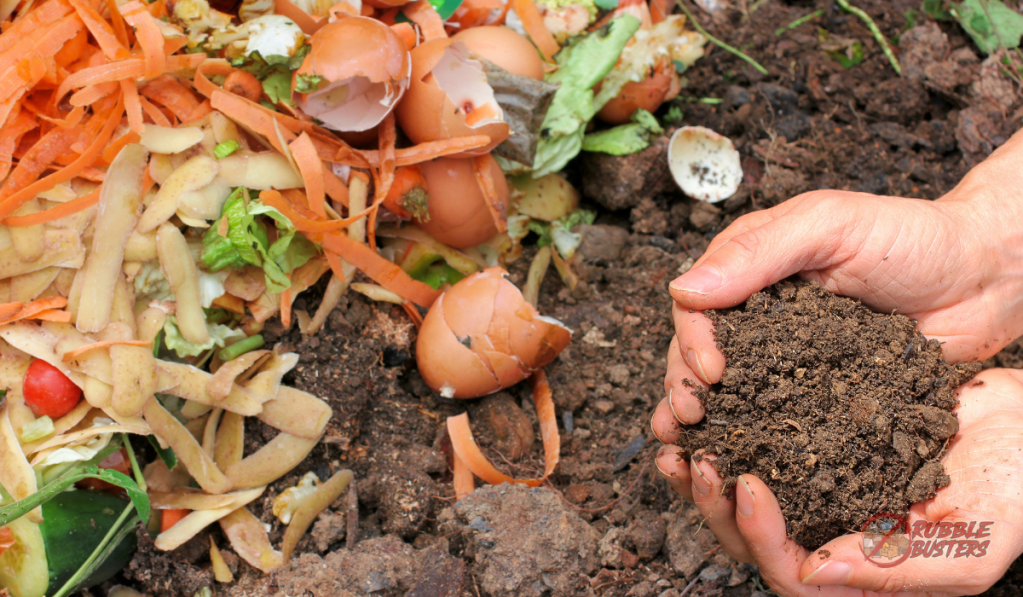
Composting turns kitchen scraps into something useful. Collect things like vegetable peels, fruit scraps, and coffee grounds, then mix them with dry leaves or shredded paper.
Over time, it transforms into compost, a nutrient-rich fertilizer beneficial for your garden. This method is simple, environmentally friendly, and it reduces the amount of household waste you throw away.
Environmental Impact
When waste is handled the wrong way, the effects can be seriously dangerous. Chemicals can leak into soil and water. Used motor oil dumped in drains can damage septic tanks and waterways.
Burning hazardous waste can release toxic fumes due to improper disposal. And when recyclables end up in landfills, they take up space that could have been saved.
Every small choice, whether you recycle a bottle or drop off a battery at a safe facility, can help and protect both your health and the environment.
Do’s and Don’ts of Household Waste Disposal
It is easy to get mixed up about what you should or shouldn’t do with waste. Here’s a simple list to keep things clear:
| Do’s | Don’ts |
| Separate recyclables like paper, bottles, and plastics | Don’t pour chemicals, paints, or oil into drains or septic tanks |
| Compost food scraps such as fruit peels and coffee grounds | Don’t burn hazardous waste—it can release toxic fumes |
| Store hazardous products in their original containers until disposal | Don’t mix recyclables with regular trash |
| Follow product labels and disposal directions | Don’t throw batteries or electronics in the garbage |
| Take used motor oil, batteries, and chemicals to an approved facility |
Final Thoughts
Household waste is more than just what’s in your garbage bag or trash bin. It is about understanding what is safe, what is not, and where things should go.
The way you do with your waste really matters. If you recycle or compost it, you are helping the environment responsibly. Do not try to do your dump or burn things carelessly; you are risking your own health and the community.
These little steps really matter when responsibly managed; they will add up to help our environment. It can save lives, protect your family, your neighborhood, and the planet we all share.
Want to get additional information and simple tips on handling waste at home? Check out our homepage to see all our different services that can help you with your unwanted stuff.
Frequently Asked Questions
Can Rubble Busters help with regular household junk?
Yes. We collect everyday household junk, from old furniture and appliances to general trash, and make sure it’s disposed of properly.
Does Rubble Busters handle hazardous household waste?
We don’t process hazardous chemicals directly, but we guide customers on safe disposal and help remove items that need special handling.
Can I call Rubble Busters for recycling or bulky items?
Absolutely. We take recyclables, scrap materials, and bulky junk that regular trash services won’t pick up.
Do you clear garden waste too?
Yes. We remove garden debris, branches, and yard waste, leaving your space clean and clutter-free.
Why should I choose Rubble Busters for junk removal?
We offer reliable, safe, and stress-free junk removal services. You don’t have to lift a thing. We handle the loading, hauling, and proper disposal for you.