
Cinder blocks are common in home projects, but they can be hard to get rid of once they are no longer needed. Things to consider with cinder blocks are: they are heavy, take up space, and considered as construction and demolition debris. Homeowners often ask if they can throw them away with regular trash, but disposal rules are different. This guide will explain the best options, from recycling to hiring Rubble Busters for professional help.
Understanding Cinder Blocks and Concrete Rubble
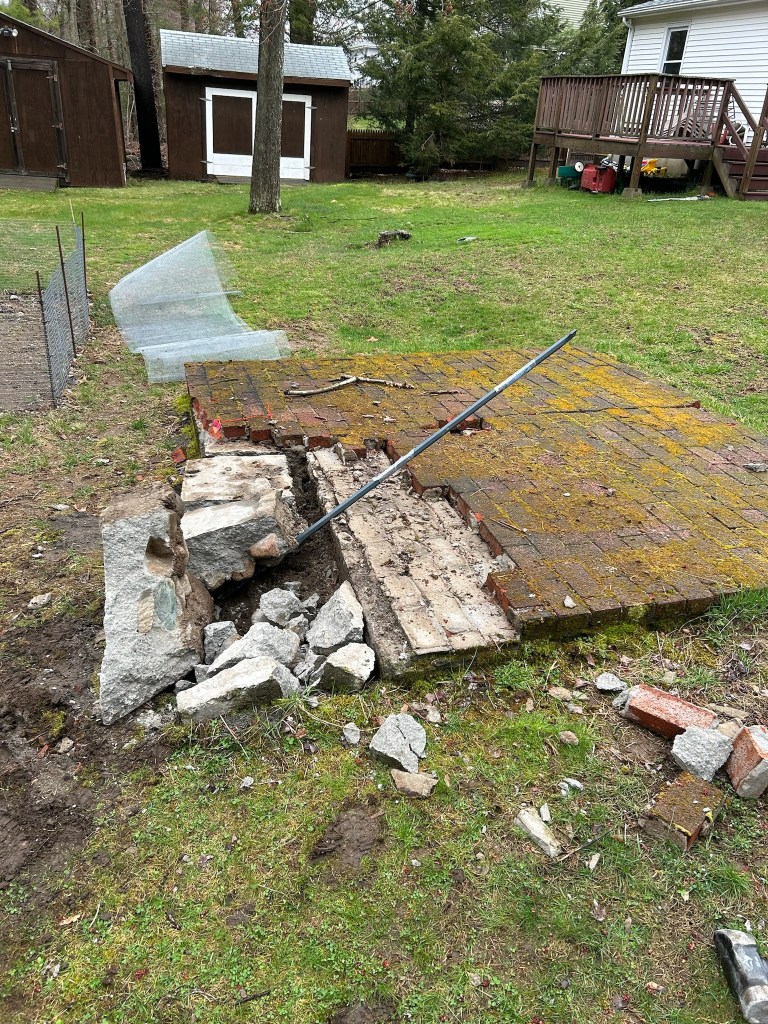
When it comes to getting rid of cinder blocks, it’s a bit more involved than tossing out regular household trash. Cinder blocks, often made from cement, ash, or concrete, are commonly used in walls, foundations, and outdoor landscaping. Over time, these materials can wear down, break, and turn into concrete rubble. Unlike everyday household waste, cinder blocks fall under the category of construction debris, meaning they can’t just be thrown in with your regular garbage.
The disposal process can be challenging due to their weight and the occasional presence of metal like rebar inside some blocks. Many landfills are hesitant to accept large loads of concrete because they are heavy and expensive to manage. This is why specialized disposal services or recycling options are often necessary.
DIY Options for Cinder Block Disposal at Home
When you have a few leftover concrete blocks, you might find it easier than you think to get rid of them. One straightforward way is to repurpose them right on your property. You could stack them to create a raised garden bed, arrange them as informal seating in your outdoor area, or even use them to define borders for pathways. This not only keeps the blocks out of landfills but also gives them a new purpose around your home.
Another good option is to offer them up on an online marketplace. Nowadays, many people from neighbors looking for a small project to local contractors, might be happy to pick them up for free. You could try platforms like Facebook Marketplace or local community groups. Sometimes, landscaping companies are also open to taking used blocks for their own projects. While these methods work well for smaller quantities, remember to consider the weight and effort involved in moving them. For larger cleanouts that include both yard waste, construction debris and heavier materials, services specializing in services like yard waste removal can take care of both at once, saving you time and effort.
Professional Junk Removal for Concrete Blocks Disposal
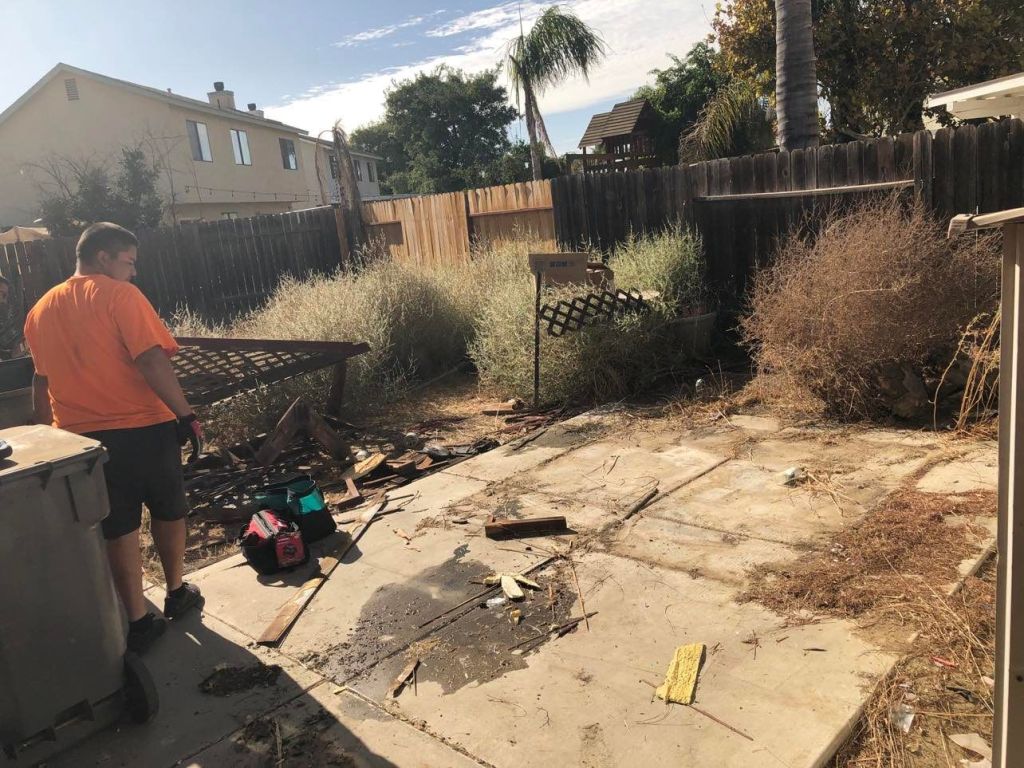
When dealing with substantial amounts of debris, especially heavy materials like concrete and cinder blocks, professional services can significantly ease the burden. Companies specializing in junk removal, such as Rubble Busters, offer concrete disposal services that are particularly beneficial for homeowners who lack the means to move or transport these heavy materials themselves. Equipped with the necessary machinery and vehicles, these teams can efficiently and safely remove large blocks, broken concrete, and other solid waste, often in a single visit.
Disposing of cinder blocks, much like concrete and brick, demands careful attention due to their considerable weight and composition. While small quantities might be manageable through regular waste disposal, larger volumes typically require specialized disposal methods, often involving renting a dumpster specifically designed for heavy debris. This approach ensures proper handling and adherence to local regulations.
Rubble Busters offers a comprehensive suite of services beyond just rubble removal, including renovation cleanouts, garage cleanouts, and basement cleanouts. This integrated approach simplifies the cleanup process for residents, allowing them to manage all their disposal needs through a single provider rather than coordinating with multiple companies. Opting for experienced professionals like Rubble Busters ensures that the work is completed efficiently and in compliance with all relevant disposal regulations, thereby alleviating stress for homeowners.
Local Junk Removal Services in Massachusetts
Getting rid of cinder blocks can be much easier with local support. Companies like Rubble Busters, which operates throughout Massachusetts, provide dependable junk removal services for projects of all sizes. Choosing a local team offers several advantages, including faster scheduling, easier access to your property, and reduced travel expenses compared to hiring companies from further away.
Some of their service areas include Needham, Newton, Norfolk, Norwood, Sharon, and Sudbury. These towns and others across the region benefit from experienced teams who handle construction debris and heavy waste safely.
Preparing for Concrete Disposal Projects Ahead of Time
When embarking on a concrete disposal project, it’s crucial to plan ahead. Begin by estimating the volume and weight of the concrete you need to dispose of. This initial assessment will guide your decision on the most suitable disposal method, whether it’s reusing, recycling, renting a dumpster, or engaging a professional service.
Consider your property’s accessibility. Narrow driveways or limited space can impact the feasibility of a dumpster or removal truck reaching your site. Proactive communication with disposal sites or junk removal companies can help you circumvent last-minute complications and unforeseen disposal expenses. For extensive projects, utilizing property cleanout services can streamline the process by allowing for the collection of both concrete and other materials in a single undertaking.
Using Dumpsters and Transfer Stations for Heavy Demolition Debris
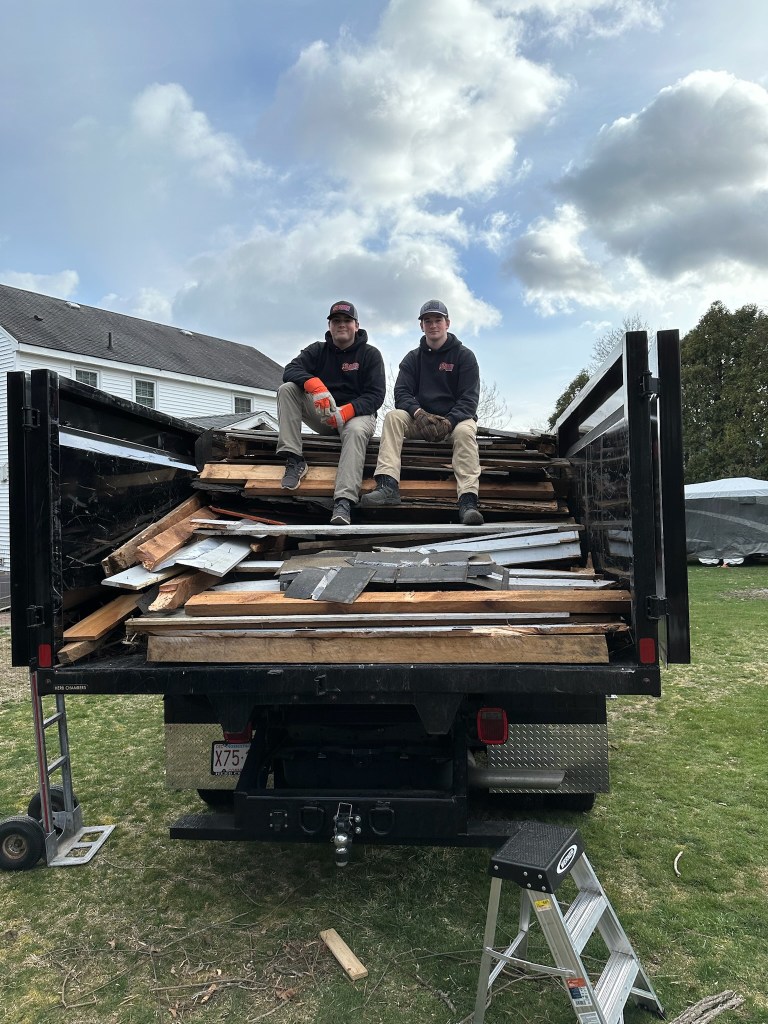
For a significant amount of cinder blocks, renting a dumpster is often the most practical solution. Dumpsters provide a convenient way to consolidate all your heavy debris in one spot, and you can arrange for pickup when you’re ready. It’s crucial to remember that dumpsters have weight limits, and exceeding these can result in additional disposal fees.
Alternatively, you can take the blocks directly to a transfer station. This option requires having the right vehicle and equipment for transport, but it can be a more economical choice for smaller projects. Materials like cement, asphalt, and concrete containing rebar are frequently charged by weight, so getting accurate estimates is important. When your project involves demolishing walls or structures, services offering light demolition can manage both the removal and hauling simultaneously.
Recycling Concrete and Cinder Blocks
Recycling is one of the most effective ways to handle old concrete. Recycling centers crush the blocks into small pieces that can be reused as gravel, road base, or filler for new construction projects. This process helps reduce waste, lowers disposal costs, and supports the reuse of valuable construction materials.
Recycled concrete and brick are often crushed and repurposed as road base material, aggregate for new concrete, or fill for construction projects. Just as with concrete, the condition of the cinder blocks matters. “Clean” cinder blocks, free from contaminants like lead-based paint, chemicals, or other debris, are often accepted at inert landfills or recycling facilities at a lower cost.
Many transfer stations also accept broken concrete, though homeowners must arrange for transport themselves. Recycling is often less expensive than landfill dumping and avoids the added charges that come with heavy loads. If hauling the blocks is not an option, Construction Debris Removal offers a convenient solution for picking up and disposing of the material.
For more information on state guidelines, the Massachusetts Department of Environmental Protection provides detailed rules on handling debris, hazardous materials, and recycling programs.
FAQs
Can cinder blocks go in my regular trash?
No, they are too heavy and classed as construction debris. You need to use a recycling center, dumpster, or junk removal service.
How much does concrete disposal cost?
The cost depends on weight and location. Dumpsters and transfer stations usually charge by the ton.
Can I reuse broken concrete for landscaping?
Yes, broken concrete can be reused for retaining walls, garden edging, or pathways. Reuse reduces disposal costs and helps the environment.
What’s the fastest way to get rid of heavy debris?
The fastest method is hiring a professional service like Rubble Busters. They bring the right trucks and handle the loading for you.
Do junk removal companies take rebar with concrete blocks?
Yes, most junk removal services accept concrete with rebar. They separate the metal during the disposal process.