

If you’ve felt the roads get busier or noticed more neighbors moving in, you’re not imagining things. Massachusetts population growth has hit a remarkable milestone.
According to new data that the Census Bureau reported, the Bay State experienced its most significant one-year jump in six decades, with an estimated population increase of nearly 70,000 residents between mid-2023 and mid-2024.
This surge of nearly 1% represents a growth pace unseen since the tail end of the Baby Boom, fundamentally reshaping communities for Massachusetts residents and local businesses alike.
From our experience, such rapid change creates both opportunities and pressing questions for everyone living and working here.
This growth naturally leads to bigger conversations about our infrastructure and environment. Many of you have wondered “where does our trash go” as our communities expand, and we’ve previously explored that very topic.
With more people calling Massachusetts home, we’re also taking a hard look at pollution statistics in a forthcoming pillar post.
And it raises a critical question for our region: what state has the worst air quality, a subject we’ll investigate next to understand how Massachusetts stacks up.
Short Summary
- Massachusetts is home to an estimated 7.2 million people in 2025, showing steady growth.
- International immigration is the largest factor, with the foreign-born population increasing by hundreds of thousands in recent years, counteracting domestic outmigration.
- Growth is concentrated in the east. Middlesex County is the most populous and continues to grow, while several western counties have seen a decline.
- Amid a general trend of slow growth in the Northeast region, Massachusetts is a relative outperformer, leading other New England states in population size and growth dynamics.
What Is the Population of Massachusetts Today?
Let’s get straight to the numbers that define our state today. According to the most recent Census Bureau’s population estimates, the resident population of Massachusetts was 7,136,171 on July 1, 2024.
The total population is projected to continue climbing, with estimates for 2025 around 7.2 million people. This steady growth shows the Bay State’s enduring appeal.

All those people need space to live and work. This brings us to population density. Massachusetts is the third most densely populated state in the country, with about 886 people per square mile.
For perspective, the national average is much lower. This density is felt acutely in cities like Boston, which has a staggering 13,841 people per square mile.
High density puts a real strain on infrastructure and resources. From our truck, we see the direct effects. More people means more stuff, and eventually, more stuff to get rid of. We see crowded apartments in the city where a simple clean-out becomes a complex puzzle.
For many residents, this density affects daily life through traffic congestion, competition for housing, and pressure on community services.
The people behind these numbers are as important as the count itself. The state has a median age of about 40 years, with young people and children making up key segments of the population.
Diversity is a major driver of change. The foreign born population is a significant and growing part of our community, making up about 17% of all residents and helping to fuel the state’s growth.
Massachusetts Population: Historical Shifts and Recent Rebound
The state population has seen some interesting twists and turns over the decade. Like an old house with a complex history, growth was slower in the years just before 2020. The story Massachusetts changed in recent years is one of a strong rebound.
After some pandemic-related uncertainty, the state’s population has come roaring back. The components of this population change are key: births, deaths, and net migration have together flipped the script on earlier worries about decline.
A major piece of this puzzle is domestic migration. For a while, Massachusetts was seeing a significant number of people moving to other states like California. This movement reached a peak net outflow in 2022. The good news is that this trend has lost steam.
Recent analysis from the UMass Donahue Institute shows that by 2024, the rate of people leaving had nearly halved from its peak. The domestic in-migration is stabilizing.
This rebound isn’t happening in a vacuum. Within the Northeast region, Massachusetts is a standout performer. It outpaced all its New England neighbors in growth. This growth is not spread evenly.
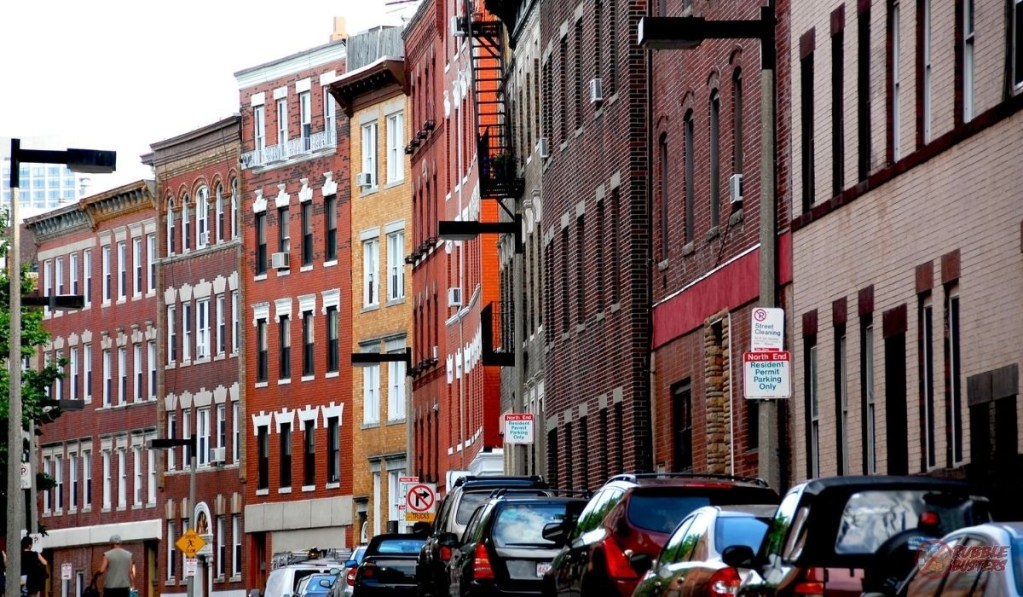
Look at the county level and you will see the engines of growth. Middlesex County, for instance, continues to lead the state in total population gains. This kind of census bureau data from the previous year helps us understand the regional nuances shaping the state.
Unpacking Massachusetts Population Growth: Drivers Behind the Surge
So what is fueling this expansion? The single largest driver is unequivocally immigration. The Census Bureau reported that in 2024, net international migration added over 90,000 people to Massachusetts.
This influx of new immigrants, including humanitarian migrants, has been powerful enough to offset the number of people who moved to other states. It is a central reason why the state population increased so dramatically.
A full picture of growth looks at all the components. We see this in our business when we break down a big project. Population growth comes from a natural increase (births minus deaths) and net migration. In 2024, Massachusetts had more births than deaths, contributing a net gain.
While domestic migration was still negative, the outflow shrank considerably. The combination of these factors is why the population grew. The foreign born community now represents about one in every six residents.
This isn’t just about raw numbers. It’s a sign of resilience. The significant estimated population increase represents the Bay State’s ability to attract and retain people from all over the world. This growth is reflected in the changing face of Massachusetts.
For example, groups identifying as two or more races are a rising segment of the population . While small, communities like Native Hawaiian and Pacific Islander are also growing. This vibrant mix of people makes our state strong.
Book Your Removal Today!
Population Density and Regional Variations in the Bay State
The growth story in Massachusetts isn’t uniform. It’s a tale of two commonwealths, with a clear divide between the eastern and western counties.
While the state is growing overall, this growth is concentrated in the eastern hubs, leaving many towns in Western Massachusetts seeing a decline.
The data shows a striking pattern. Middlesex County, the state’s most populous, is a major engine of growth with over 1.6 million residents. Contrast this with counties like Berkshire and Franklin, which have seen their populations decrease.
The following table highlights this regional disparity.
| County | Population Trend | Key Characteristics |
| Middlesex County | Strong growth (est. pop. ~1.67 million) | Economic hub, high density, attracts families for opportunities . |
| Essex, Norfolk, Suffolk | Generally growing | Eastern counties anchored by major employers in Boston and surrounding cities. |
| Berkshire, Franklin, Hampshire | Population decline or stagnation | Western Massachusetts counties facing outmigration and aging demographics. |
This urban-rural divide has real consequences. Eastern cities are absorbing large numbers of new residents, fueling expansions in schools and health care facilities.
As Mayor Nicole LaChapelle of Easthampton noted, her city is focusing on adding housing and supporting schools to combat population loss. The high cost of living and doing business in the east pushes some residents and businesses to seek affordability elsewhere.

From our truck, we see this divide clearly. In dense eastern cities, we’re often helping people downsizing or decluttering small apartments. In western towns, we might be clearing out homes for seniors who are moving to be closer to family or specialized health care in the east.
This shift means more people are living in high-density areas, which influences everything from traffic congestion to the strain on community resources.
Demographic Breakdown: Who’s Moving the Needle in Massachusetts?
So, who are the people driving this change? The demographic landscape of Massachusetts is becoming more diverse and is shaped significantly by both international migration and an aging native population.
The racial and ethnic composition is evolving. While non Hispanic whites are still the largest group, their share is declining slightly. The groups that are growing fastest include those identifying as two or more races, which now represents 7.98% of the state.
While small, communities like Native Hawaiian and Pacific Islander are also part of this expanding diversity.
Age is a critical factor. The state’s median age is about 39.8 years . This creates a fascinating dynamic. The state is simultaneously attracting young people and families, while also caring for an aging population.
This puts pressure on multiple fronts: schools need to accommodate children, while there’s growing demand for elder care services.
A key driver of the state’s resilience is its foreign born population. Immigrants now make up about 18.1% of all residents. This group is essential to the state’s growth, bringing in younger workers and talent for key industries.
In essence, these new residents have been the largest driver offsetting the number of people who have left Massachusetts for other states.

Additional data on income and education reveals a state of contrasts. Massachusetts has one of the most educated populations and highest median household incomes in the country.
However, this prosperity isn’t universal, and the high cost of living can be a struggle for many households, especially those without advanced degrees.
Final Thoughts
The story of Massachusetts population growth shows how much life in the Bay State keeps moving forward. The Census Bureau data paints a clear picture of steady gains, strong communities, and new faces choosing to call this place home.
Every neighborhood, from Boston’s busy streets to quiet towns in the west, adds its own piece to the state’s growing mosaic.
This steady rise in the state population reflects both opportunity and responsibility. More people mean more voices, more ideas, and a greater need to keep up with housing, jobs, and transportation.
Change can feel fast, but every bit of population change brings chances to build stronger, cleaner, and more connected communities.
We’ve seen firsthand how small steps, like clearing space, maintaining homes, and supporting local efforts, make a difference as our towns adjust to growth. It’s an exciting time for Massachusetts, and everyone has a role in shaping what comes next.
Want to keep learning about life, growth, and clean living across the state? Visit our homepage to explore more local insights and tips that keep the Bay State thriving.