
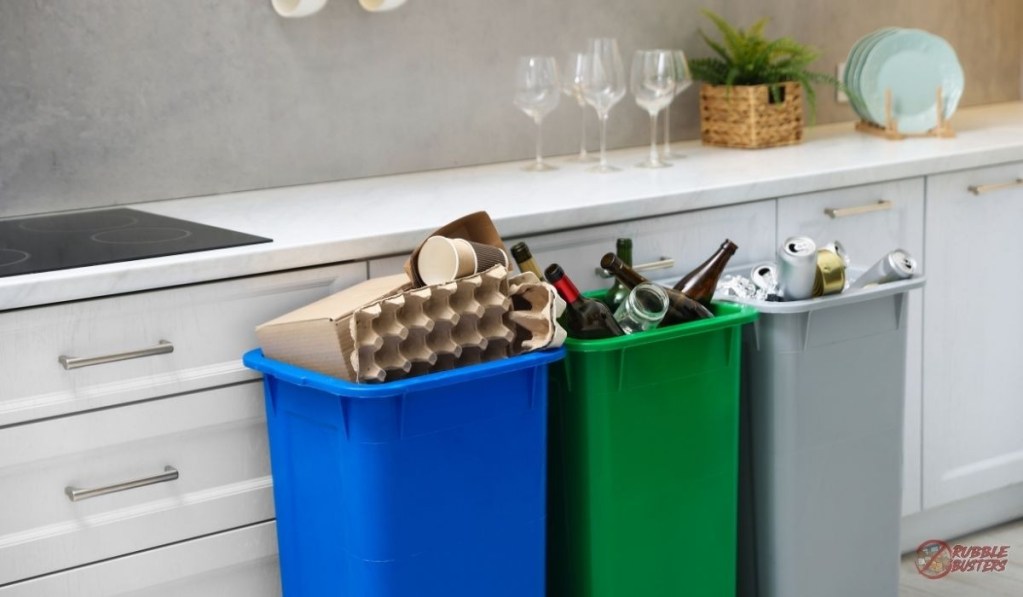
We have all stood at the bins, second-guessing which pile gets the spaghetti sauce jar. Nationwide, the technical ability to recycle about three-quarters of our waste exists, yet the combined rate for recycling and composting sits at just 32.1 percent.
That gap is not a small problem. It means tons of household waste still head to facilities they should never reach.
From our experience working with local residents, successful household waste management in Franklin, MA starts with clarity: knowing what goes where, why the rules shift, and who handles the hard stuff.
This guide walks you through the process of waste management in our community, from weekly disposal to toxic chemicals that require special care. We break down the steps for a safer home and a genuinely healthy environment.
If you missed our piece on 10 ways to reduce waste at home, circle back for simple habit shifts that shrink the bin before it leaves your curb. Next, we tackle old appliance removal, covering refrigerators, dehumidifiers, and other bulky gear.
And for the truly chaotic garage or renovation aftermath, our main guide on household junk removal lays out exactly how we sort, recycle, and donate what others might toss.
Short Summary
- Household waste splits into four groups: garbage, recyclables, organic materials, and hazardous waste. Sorting at home keeps most landfills from receiving items they should not.
- Household hazardous waste like paint, cleaners, batteries, and motor oil never belongs at the curb. Franklin residents can use Department of Public Works events for safe disposal .
- Electronics including computers and TVs are banned from trash in Massachusetts. Take them to a recycling center or schedule pickup with a licensed service .
- Recycling works only when containers stay clean. Plastic bags jam equipment. Rinse cans and bottles. Keep paper dry .
- Reuse and donation give household products second lives. Charitable organizations accept furniture, clothing, and functional materials. This saves space in landfills and helps the community.
- Professional junk removal handles estate cleanouts, renovation debris, and bulk garbage that DIY disposal cannot manage. Contact us when the pile exceeds your bin.
Understanding Your Residential Waste Stream and Regulations
Every house on every street produces waste. But not all of it belongs in the same pile. We sort residential waste into four main categories. Each one follows a different process after the truck pulls away.
Get this right and you keep household materials out of the landfill. Get it wrong and you contribute to pollution that costs the whole community.
What Makes Up Your Household Waste Stream?
Think of your bin as four separate buckets sharing one space.
- Garbage – true trash headed for disposal.
- Recyclables – cans, bottles, paper, rigid containers.
- Organic materials – food scraps, yard trimmings.
- Hazardous waste – anything corrosive, flammable, or toxic.
A garage where paint thinners sat next to soda cans? That mix creates improper disposal and real danger. Sorting at the source is the only way to protect sustainable waste management.
2026 Massachusetts Waste Disposal Bans
Massachusetts bans mattresses, textiles, and certain electronics from landfills. Why? It’s because these items contain garbage that can be recycled or reused.
The state also bans hazardous products. Rules exist because pollution from buried toxins is permanent. Fines apply to haulers who ignore the rules, but household responsibility starts at the curb.
Proper Disposal of Household Hazardous Waste in Franklin, MA
You wouldn’t pour toxic chemicals on your lawn, would you? Yet many people store them in basements for years, unsure what to do.
Household hazardous waste requires a different process than regular trash. If you’re not familiar with this process, don’t worry. We help residents locate the right resources so nothing harmful reaches ground water or harms health.
Common Hazardous Household Items
The list is longer than most expect:
- Paint and stains
- Cleaners with bleach or ammonia
- Cleaning products labeled “danger” or “warning”
- Pesticides and herbicides
- Motor oil and antifreeze
- Batteries of all chemistries
- Other chemicals like pool supplies and hobby acids
Why Hazardous Waste Is Dangerous
Toxic chemicals don’t disappear in a landfill. Rain filters through buried waste and picks up poisons.
That liquid seeps into the ground below. Groundwater supplies our wells and reservoirs. Health risks include burns, respiratory harm, and long-term illness. Environmental contamination from one small can of paint can affect an entire neighborhood.
How the City of Franklin Handles Collection
The city partners with the Department of Public Works for seasonal drop-off events. Hazardous household items are collected safely by licensed crews. Visit the DPW website for 2026 dates. You can also contact them directly.
Private resources exist for large quantities. We always tell clients: do not bring paint or motor oil to the curb. Use the official department system. It’s free and designed for residents.

Optimizing Your Recycling Bin and Reducing Contamination
A recycling bin stuffed with the wrong materials often ends up at the landfill anyway. Contamination is the silent killer of good intentions. We see it weekly. Wet cardboard, greasy pizza boxes, plastic bags tangled around cans. Let’s fix that!
Book Your Removal Today!
What Goes in the Recycling Bin
Stick to the basics:
- Cans – aluminum and steel, rinsed.
- Bottles – glass jars and plastic jugs, empty.
- Paper – newspapers, office paper, mail.
- Containers – yogurt tubs, milk jugs, soap bottles.
The Problem with Plastic Bags
Plastic bags don’t belong in curbside bins. They wrap around sorting equipment and shut down entire facilities. When that happens, workers have to cut them out by hand. That costs time and energy.
Some other materials like shrink wrap cause similar headaches. We tell customers: bag your bag collection and bring it to a store drop off.
Preventing Food Waste Contamination
Food residue ruins otherwise good recycling. A jar of peanut butter still half full will not get recycled. Contamination spreads to clean paper and containers. To prevent this:
- Rinse those bottles
- Scrape cans
- Keep materials dry
That simple habit boosts the recycling rate without any new equipment.
Strategies for Reducing Waste and Managing Organic Materials
Nobody wakes up hoping to fill a landfill. Yet the average household tosses pounds of waste every week. Much of it never needed to be trash in the first place.
Reducing waste, however, is simpler than most think. It starts before you buy and continues after you cook. We walk clients through these small steps constantly. They add up fast!
Reducing Waste at the Source
Online shopping creates a mountain of packaging materials. We cleared a house last year where foam peanuts filled three entire contractor bags. The resident felt awful about it, but there we were.
Now we tell people: choose consolidated shipping. Request minimal packing materials. Save boxes for reuse. These tweaks save money and space. One less box ordered is one less box disposed of.
Managing Cooking Oil and Food Waste
Pour cooking oil down the drain and you invite trouble. It cools, hardens, and blocks pipes. We once helped a family whose basement ground floor backed up with grease. The plumber bill hurt worse than the cleanup, though.
Food scraps belong in compost or trash, never the sink. Let oil cool, pour into a sealed container, and toss it.
Composting and Organic Alternatives
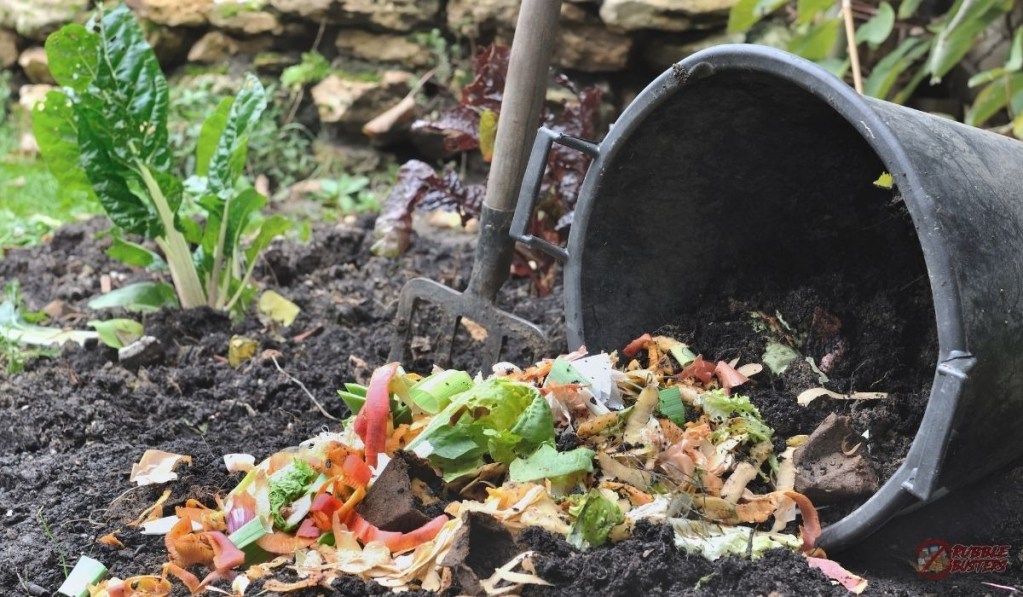
Organic materials like banana peels and grass clippings do fine in a backyard bin. They break down into soil. That’s sustainable waste management at its simplest. Municipal programs also accept organic materials at drop off sites.
Disposal through composting keeps waste out of the landfill and returns nutrients to the ground. No fancy equipment required.
Responsible Disposal of Electronics and Bulk Household Items
Massachusetts law bans electronics from the trash. That old tube TV in the basement can’t go to the curb. Same for computers and monitors.
We hear this question weekly: what do I do with it? The answer is straightforward. Properly disposing of these items protects the environment and follows state rules.
Let’s break it down:
Electronics Banned from Trash
TVs, computers, and other electronics contain lead and mercury. Buried in a landfill, those metals leach into soil. The state ban exists for that reason. Other items like printers, stereos, and cables also qualify. Never toss them in garbage bags.
Using a Local Recycling Center
Franklin’s recycling center accepts electronics during designated hours. How electronics are collected varies, however. Some are demanufactured. Others are shipped to certified processors. Proper disposal matters because recyclers recover steel, copper, and plastic.
Those materials become new products. There is no cost for Franklin residents at town events. Private haulers charge a small fee for pickup.
Managing Large Household Items
Household items that don’t fit in carts require special handling. Couches, mattresses, and large equipment like treadmills fall into this group. Other items include swing sets and hot tubs.
Curbside disposal rules differ by town, though. Some require prepaid stickers. Others request bulk garbage appointments. We tell clients: call ahead. Check the town website. Know the cost before you drag it to the curb.
Eco-Friendly Waste Management: Reuse and Donation
A dining table still has years left. So does that bookshelf with the scratched finish. Reuse household products, and you’ll keep them out of trucks headed for disposal.
That’s why we tell clients to: think of your unwanted stuff as somebody else’s find. This shift from tossing to donating changes the whole environmental impact.
Reuse Before You Dispose
We cleared a three-bedroom house where the family donated eight furniture pieces. Everything found a second life. Other materials like lamps, tools, and kitchenware also qualify.
Most landfills stay emptier when we extend product life. Ask yourself: Does this still work? Could someone else use it?
Partnering with Charitable Organizations
Local charitable organizations accept furniture, clothing, and functional materials in good shape. We drop items at shelters, thrift stores, and veteran groups.
These organizations rely on community donations. One call saves you a trip and helps neighbors. Some even offer pickup for large pieces.
Environmental and Community Benefits
Every sofa diverted from disposal reduces pressure on most landfills. It also supports local nonprofits that serve Franklin residents. Business owners benefit too. Donation receipts often qualify for tax deductions. That’s a save for your wallet and the environment!
Professional Junk Removal Service: When to Call Rubble Busters
Sometimes the pile is just too big. Maybe the couch weighs four hundred pounds. Perhaps the basement holds thirty years of accumulated stuff. That is when DIY disposal stops making sense. Our service exists for those moments. We handle the heavy lifting and the sorting.

When DIY Disposal Isn’t Practical
Estate cleanouts arrive with emotion and volume. Renovation debris includes drywall, tile, and lumber. Bulk garbage like swing sets or hot tubs require a crew and a truck. These jobs overwhelm even organized homeowners. We bring muscle and system.
Responsible Pickup and Sorting
Our pickup process separates everything. Recycling first. Donations second. True garbage last. That environmental commitment guides every load. We have partnerships with local charitable organizations and recycling centers. Nothing salvageable gets buried.
Scheduling and Additional Fees
Schedule online or call. We provide details upfront. Most estimates include all cost. Certain items carry additional fees. Mattresses, tires, and appliances with refrigerant fall into this group.
We explain these additional fees before we start. No surprises. Franklin residents appreciate straight talk, after all. Contact us when your project exceeds your bin.
Final Thoughts
None of us nails every disposal decision. And that’s okay.
Household waste management improves one bin at a time. Residents who pause before tossing, who check the label, who bag their plastic bags separately – they’re the ones who move the needle.
Sustainable waste management isn’t a solo act. It takes the whole community. It takes the city department. It takes haulers who sort instead of dump. And it takes you, reading this, caring about the process.
We built Rubble Busters around that belief. Your choices matter. Our job is making those choices easier. A healthy environment starts at the curb.
Visit our homepage for guides, service areas, and scheduling. We’re here when the bin overflows.