
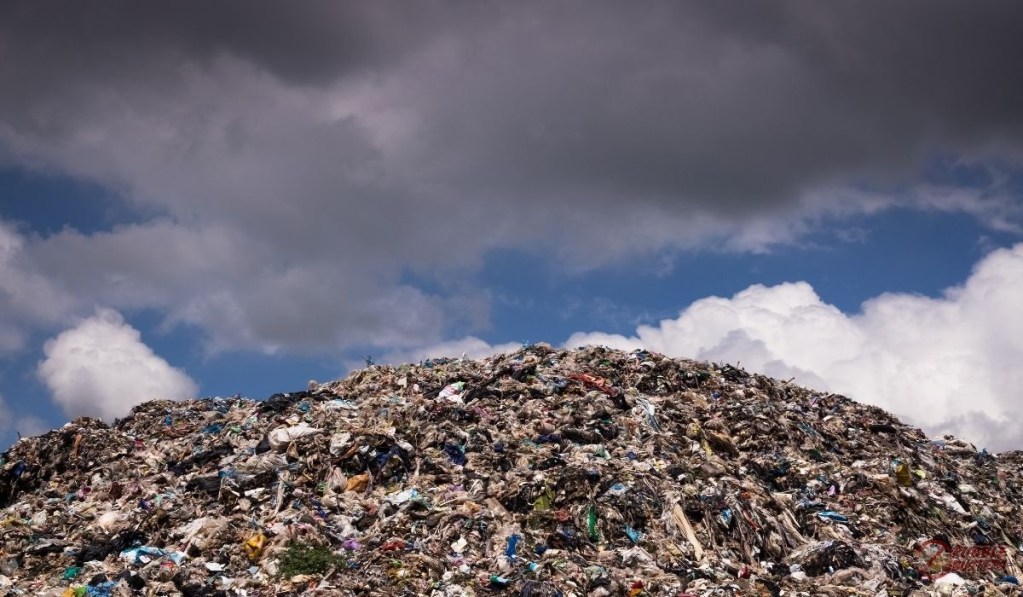
Massachusetts has a bold goal: cut trash disposal by 30% before 2030. That means millions of fewer tons piling up in local landfills. A sustainable future doesn’t start with big policy changes. It starts on our kitchen counters and in our garbage cans.
From our experience, small shifts in our daily recycling habits make the biggest difference. So we put together this guide on 10 ways to recycle at home in Franklin, MA. Read it to learn exactly what goes where, what stays out, and how to stop guessing at the bin.
We recently covered old appliance removal in a previous article. And in our next post, we will answer the question: how do you practice waste management at home? This guide connects directly to our main pillar post on household junk removal.
Think of it as your cheat sheet for smarter, cleaner choices today.
Short Summary
- Build better recycling habits by rinsing plastic containers, flattening cardboard, and knowing your local rules.
- Compost food waste like coffee grounds instead of sending it to landfills.
- Return plastic bags to grocery stores; never put them in your curbside recycling bin.
- Follow Massachusetts bans on e-waste, electronics, batteries, clothing, and textiles.
- For special handling items like large appliances, paint, or construction materials, call a pro or find a local recycling center.
- Always check locally for Franklin town‑specific rules before you toss anything unusual.
Build Winning Recycling Habits With Everyday Kitchen Essentials
The kitchen is where most common household items turn into trash or treasure. We have pulled thousands of bins from Massachusetts curbsides. A few small recycling habits make the difference between a clean load and a rejected one.
Let’s break down the three biggest categories: rigid plastics, metals, and glass.
1. Optimize Your Curbside Recycling Bin for Rigid Plastics
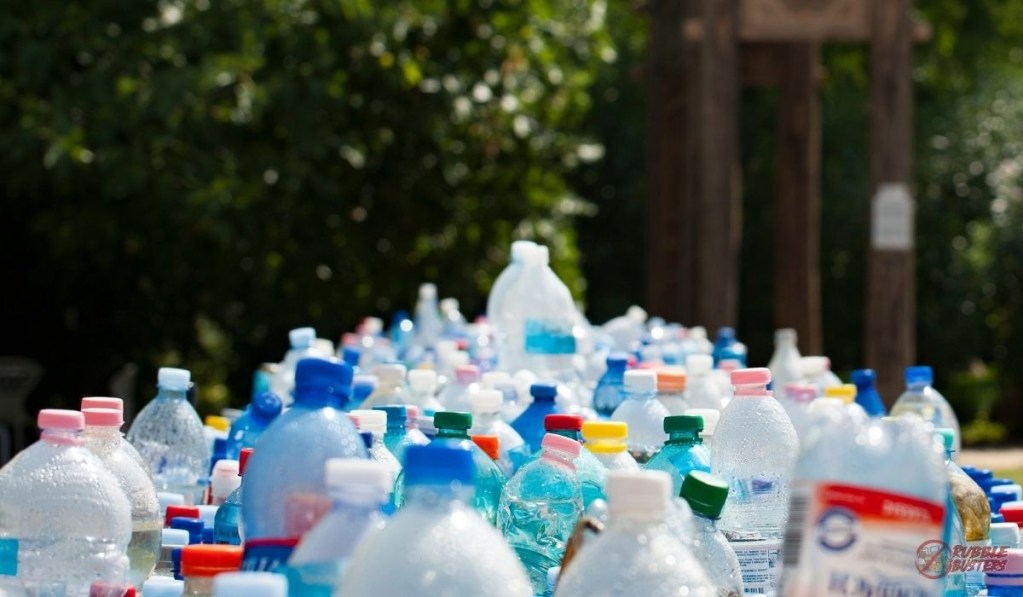
Look at the bottom of your plastic containers. You’ll see a number inside a triangle. Most Massachusetts curbside recycling programs accept #1, #2, and #5. Those are PET and HDPE.
Think soda plastic bottles and milk jugs. Plastic products labeled #6 (polystyrene) or #7 (mixed) usually go in the regular trash. They jam up the sorting machines.
Always rinse out food residue from plastic containers, plastic water bottles, and plastic bottles. Keep in mind that a dollop of old peanut butter ruins an entire load. An entire bin can be rejected because of one greasy yogurt cup.
So, remember to empty them first, then swish with water. That simple habit keeps your recycling bin useful.
2. Conquer Metal and Steel Cans With a Proper Rinse
Steel cans from soup or beans need a quick rinse. Remove the paper label if it peels off easily. That paper and cardboard goes in with your regular paper.
Aluminum foil is recyclable too. Scrunch it into a softball sized ball. Clean aluminum trays from takeout count as other metals. Give them the same rinse.
And those loose metal lids? Place them back inside the can and pinch the opening shut. Otherwise, they fall through sorting screens.
Cans that smell like old tuna get tossed at the facility. Check locally for odd items like paint cans or aerosol cans. Many towns exclude them. When in doubt, throw it out. That protects the whole system.
3. Manage Glass Bottles and Jars Using the MA Bottle Bill
Massachusetts has a five-cent deposit on carbonated beverage containers. That law covers beer bottles, soda glass bottles, and seltzer cans. Don’t toss those in your home bin. Take them back to a store redemption center. You get money back. The store sends them for refill or high grade recycling.
Household glass jars from pasta sauce or pickles have no deposit. Rinse them out. Remove the lid (metal lids go with metals). Drop the jar into your curbside bin or bring it to a local recycling center. Never send broken glass or Pyrex dishes. They do not melt the same way. Keep all bottles and jars out of the regular trash whenever possible. Glass takes one million years to break down in a landfill.
Sort Cardboard, Paper, and Tricky Packaging the Right Way
The delivery pile grows fast. We see more cardboard and packaging every year. Getting it right means recycling at home actually works. Here’s how to handle boxes, mail, and those confusing food containers.

4. Flatten and Compact Cardboard Boxes and Packaging
Break down every box. Corrugated cardboard, cereal boxes, and shoe boxes all go in the bin. Flatten them first. You will fit three times as much material. Leave boxes whole and the truck driver may skip your street. That’s a real thing we have witnessed.
Wet or greasy cardboard belongs in the trash. Pizza stained bottoms, soggy shipping boxes, and dirty takeout sleeves cannot be recycled. The fibers are too damaged.
Tip: store a small box next to your bin for clean cardboard only. It keeps moisture out.
5. Sort Mixed Paper, Junk Mail, and Newspapers Correctly
You can recycle newspapers, magazines, and junk mail together. No need to remove staples or plastic window envelopes. Those get filtered out at the plant. Paper products like notebook sheets and office printer paper are fine, too.
Avoid shiny wrapping paper. The foil and glitter coating make it trash. Same for paper products with heavy wax coating like frozen food boxes. They feel slippery. Also, that wax doesn’t break down in the recycling bath. Toss those in the regular garbage.
6. Solve the Pizza Box and Egg Carton Dilemma
This confuses almost everyone, so remember: Greasy pizza boxes go in the trash. The oil contaminates the fiber. But rip the clean top half off, that part can be recycled. We do that in our own homes and it takes just five seconds.
Clean egg cartons are different. Paper ones go straight into the bin or compost. They break down fast and find new life as insulation or garden mulch.
Foam egg cartons? Those are #6 plastic. Trash bin only. Keep them out of landfills when a better option exists. Every small choice adds up!
Book Your Removal Today!
Divert Food Waste and Film Plastics Away From Local Landfills
The average Massachusetts household throws out a lot of stuff that never belongs in a waste bin. Two big offenders are kitchen scraps and stretchy plastics. Here’s how to handle both like a pro.

7. Turn Kitchen Scraps and Coffee Grounds Into Compost
Start a small compost bin in your backyard. Food waste like vegetable peels, apple cores, and coffee grounds break down into rich soil.
That soil feeds your garden. Compost keeps food out of the trash where it rots and creates methane.
We’ve seen customers reduce their weekly garbage by half just by composting. Natural resources stay in the loop instead of getting buried. No yard space? No problem.
Many Massachusetts towns run drop‑off compost programs. Bring your scraps to a local collection site once a week.
8. Return Plastic Bags and Film to Nearby Grocery Stores
Don’t toss plastic bags into your curbside bin. They wrap around sorting equipment and shut down the whole facility. Workers would spend hours cutting plastic film off spinning gears. That’s a bad day for everyone, whenever that happens.
Collect plastic waste like sandwich bags, dry cleaning bags, and bubble wrap. Stuff them into one bag. Bring that bag to drop‑off kiosks at grocery stores. Stop & Shop, Market Basket, and Shaw’s all have bins near the entrance.
This plastic is recyclable through special programs. It turns into composite lumber for park benches.
What about produce bags? Yes, those too. Just shake out the leafy bits first.
Follow Massachusetts Waste Bans for Textiles and E-Waste
MassDEP made two things illegal to throw in the regular trash: electronics and clothes. Break these laws and you risk fines. More importantly, you poison the ground or waste valuable materials. Let’s get you compliant.
9. Use Local Recycling Programs for E-Waste and Dead Batteries
Old cell phones and laptops contain lithium ion batteries. Toss them in the bin and they spark fires inside garbage trucks. We’ve seen the aftermath and it isn’t pretty, besides being a costly mess.
Harmful chemicals like lead and mercury also leak from electronic devices into groundwater.
MassDEP bans e-waste from landfills, so you should use local recycling programs. Find a drop‑off locator on MassDEP’s website. Many Franklin‑area retailers like Best Buy and Staples take electronics and batteries for free.
Safe disposal means removing other electronic devices like old keyboards and mice, too. Drop them off whole. Don’t smash them up.
Cell phones hold precious metals. Recycle them properly and those metals go back into new products.
10. Clear Out Old Clothes and Textile Materials Legally
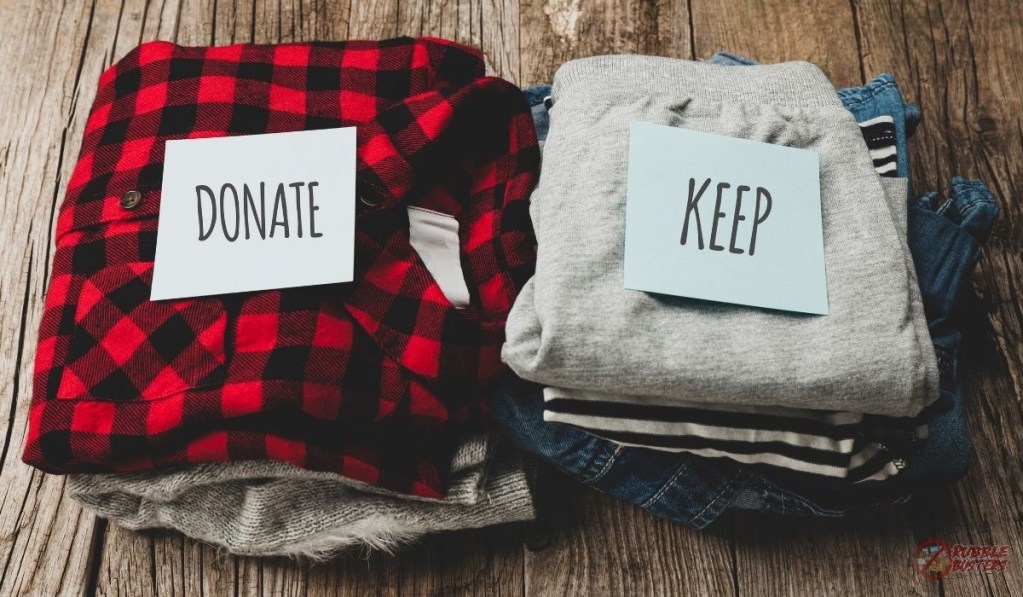
Since 2022, Massachusetts has banned all clothing and textiles from the trash. That includes torn jeans, stained shirts, and missing socks. Old clothes don’t belong in a landfill. They take hundreds of years to break down.
Take old clothing to a local recycling center, a textile drop box, or a donation bin. Most recyclers accept damaged items. They shred them into industrial rags or fiber fill for car seats. That’s a second life instead of throwing things away.
We once pulled 300 pounds of perfectly good recycle‑ready textiles from a single basement. The homeowner didn’t know the ban existed.
Now you do, so here’s your chance: local recycling options are everywhere. Look for green bins in church parking lots or outside the town dump. Drop and go. That simple.
Final Thoughts
Stick with good recycling habits and your carbon footprint shrinks. Manufacturers use your sorted cans and papers to make new goods. That loop keeps recyclable materials alive. Pretty cool, right?
But your curbside bin has limits. Large appliances? No. Leftover paint? Also no, like fragile items like mirrors and lightbulbs. They stay out, like motor oil and heavy construction materials, those need special handling.
And that bag labeled “compostable plastic”? Most towns won’t take it. You need an industrial facility.
For big jobs, call us. Basement hauls, old mattress disposal, heavy lifting. We properly dispose of everything under Massachusetts rules. Want more recycling options? We can help you reuse what matters. Visit our homepage to learn how we work.
One last thing. Check locally for Franklin town-specific rules before you put anything weird at the curb. When in doubt, look it up. Your town website has the final say.